
New Cogwheel Railcars for Rorschach–Heiden Line
Appenzeller Bahnen commissions Stadler to supply two new adhesion and rack-and-pinion railcars to modernise operations on the Rorschach–Heiden route, replacing life-expired rolling stock from 2028.
stadlerrail.com
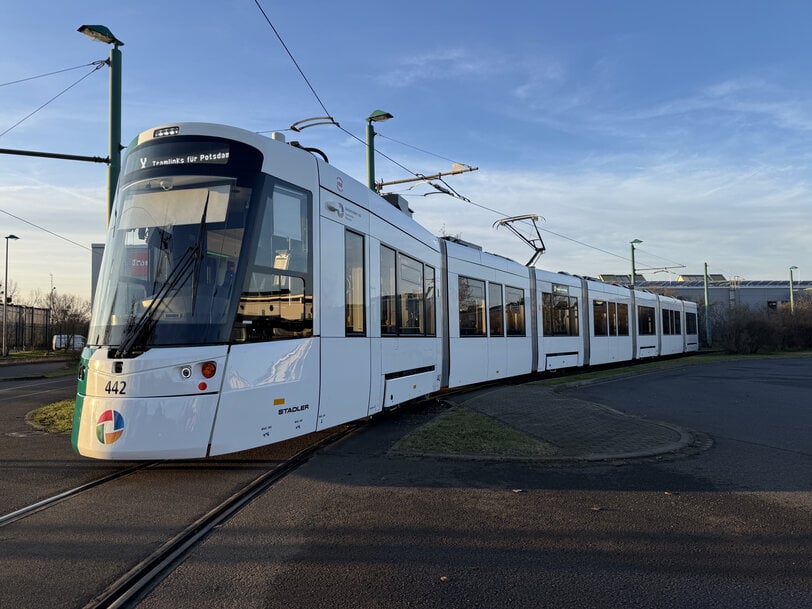
Appenzeller Bahnen has awarded Stadler a contract to deliver two new adhesion cogwheel railcars for the Rorschach–Heiden railway line. The vehicles are scheduled to enter passenger service at the end of 2028 and will replace one regular unit built in 1998 and two reserve vehicles dating from 1953 and 1967. The total investment for the procurement amounts to approximately CHF 17.5 million.
Fleet renewal driven by end-of-life constraints
The existing reserve vehicles have exceeded their technical service life, and their operating licences issued by the Swiss Federal Office of Transport will expire at the end of 2028. Retrofitting these units to meet current regulatory and accessibility standards is not technically feasible, while upgrading the 1998-built vehicle would require disproportionate investment.
In addition, the current fleet does not comply with the requirements of the Swiss Disability Discrimination Act (BehiG). Against this background, Appenzeller Bahnen, in coordination with the cantons of St. Gallen and Appenzell Ausserrhoden and the federal authorities, approved the procurement of new rolling stock.
Technical configuration and operational flexibility
The new railcars will be approximately 21 metres long and designed for combined adhesion and rack-and-pinion operation, reflecting the mixed-gradient profile of the Rorschach–Heiden line. Procuring two identical vehicles enables flexible deployment: during periods of high passenger demand, the units can operate in double traction, increasing capacity without changes to the timetable.
Reduced vehicle weight and the use of current traction and control technologies are expected to lower both energy consumption and maintenance costs compared with the outgoing fleet, improving lifecycle efficiency and availability.
Accessibility, passenger comfort, and interior layout
The railcars are designed to fully comply with BehiG accessibility requirements. Features include low-floor access, dedicated spaces for wheelchairs, generous areas for bicycles and prams, air conditioning, onboard infotainment systems, and passenger power outlets.
A notable design change is the reintroduction of first-class accommodation on the Rorschach–Heiden line. First-class seating will be located at the front and rear of the train, offering panoramic views of the route and Lake Constance. In a combined configuration, first-class seating is integrated with the driver’s cab, allowing passengers to observe train operation and control systems directly, creating a differentiated travel experience.
Future-ready design and automation capability
The new railcars are being delivered with technical provisions for future automated operation up to Grade of Automation 4 (GoA4). Appenzeller Bahnen plans to introduce fully automated service on the line from around 2035, making the new vehicles a foundational element of future operating models.
Seasonal services using open observation cars, popular during summer months, will continue to be supported with the new rolling stock.
A historic line entering a new phase
The Rorschach–Heiden railway line, in operation since 1875, is marking its 150th anniversary. The introduction of the new Stadler-built railcars represents a significant step in aligning this historic route with modern accessibility standards, operational efficiency targets, and long-term automation strategies while maintaining its distinctive character.
www.stadlerrail.com
