
railway-international.com
12
'26
Written on Modified on
AI Forecasting Improves Locomotive Spare Parts Supply
DB Cargo deploys AI-based spare parts forecasting to optimize maintenance planning and reduce downtime for Class 77 locomotives.
www.dbcargo.com
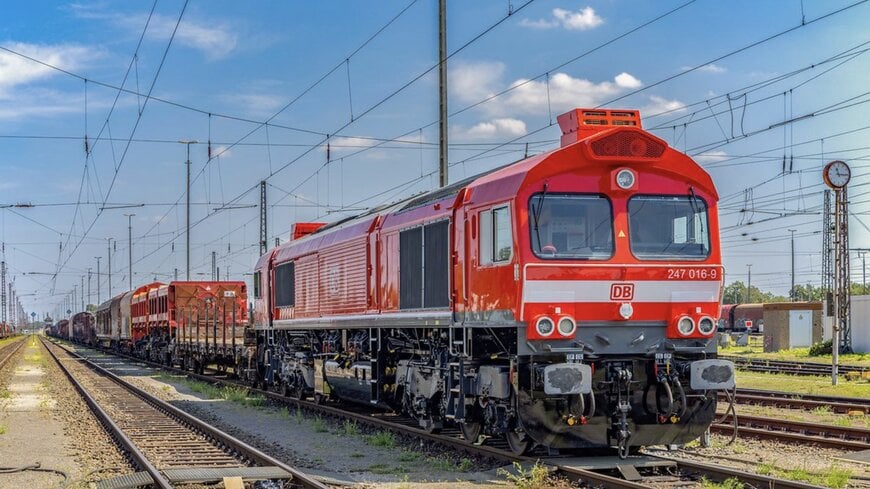
DB Cargo has introduced an AI-based spare parts forecasting system to improve maintenance planning for its Class 77 diesel locomotive fleet. The system aims to ensure that critical components are available when required while avoiding excessive inventory levels.
The project, named Spare Parts Forecasting 1.0, is being implemented at the company’s logistics center in Darmstadt.
AI-Supported Maintenance Planning
Locomotive maintenance often depends on the timely availability of spare parts. When required components are unavailable, vehicles may remain out of service for extended periods.
The AI forecasting system analyzes historical spare parts consumption together with operational parameters such as locomotive mileage, maintenance intervals and workshop conditions. Combining these data sources allows the model to estimate future demand more accurately than conventional forecasting methods.
The development team included specialists in material planning, data science and technical maintenance operations working at the Darmstadt logistics center.
Challenges in Spare Parts Availability
The Class 77 locomotive fleet consists of approximately 60 diesel locomotives used on non-electrified freight routes. Because the locomotives were manufactured in Canada, replacement components may require several weeks or months for delivery.
Traditional forecasting approaches often struggle to predict demand for parts that are replaced only occasionally. As a result, planners must balance the risk of stock shortages against the cost of maintaining large inventories.
Example: Oil Pump Demand Forecast
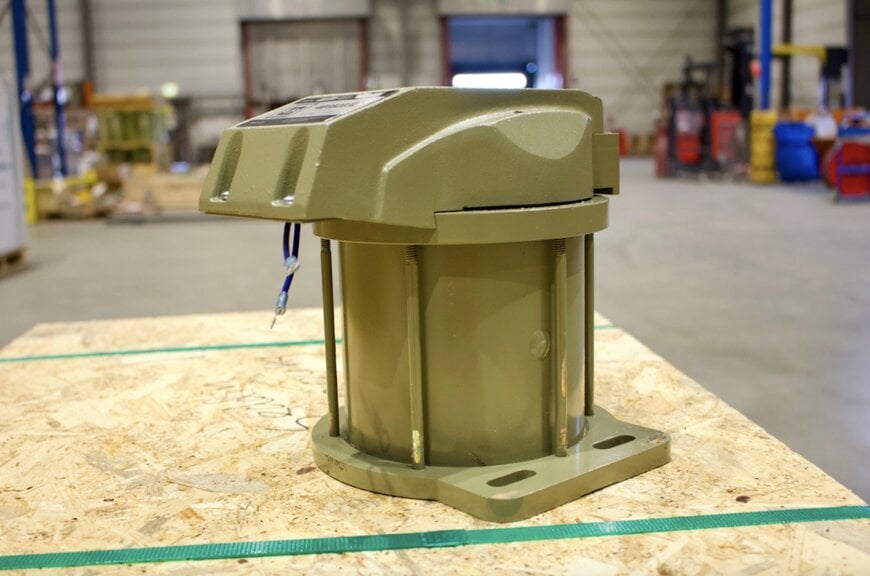
A practical example from the project involves the forecasting of oil pump demand. Under previous planning methods, no demand had been predicted for this component.
The AI model forecast the need for five units, while the actual consumption during the period reached six units. With delivery times of approximately 500 days for the component, accurate forecasting is critical to prevent locomotives from being taken out of service due to missing parts.
Copyright: Tina Henze
Context-Based Forecasting Improves Accuracy
One key finding from the project is that operational context improves prediction accuracy. Incorporating data such as mileage and maintenance cycles allows the forecasting model to identify demand patterns that are not visible in historical consumption data alone.
The system also distinguishes between components with long procurement times and those that can be sourced quickly. This enables targeted inventory planning, ensuring critical components remain available while reducing unnecessary stock levels.
Integration with Planning Tools
In parallel with the AI model, DB Cargo updated its existing spare parts planning tool. Parameter settings were systematically tested to optimize the balance between waiting times for components and the financial impact of inventory.
Different parameter sets were defined for different locomotive types to reflect variations in maintenance requirements.
By combining AI-supported forecasting with improved planning tools, DB Cargo aims to reduce locomotive downtime and improve the efficiency of spare parts supply within its rail freight operations.
Edited by Industrial Journalist, Romila DSilva - Powered by AI
