
railway-international.com
06
'26
Written on Modified on
Railway infrastructure diagnostics and smart turnout systems
voestalpine Railway Systems presented digital infrastructure technologies and turnout solutions at InnoTrans 2026 in Berlin to enhance network availability and reduce maintenance requirements.
www.voestalpine.com
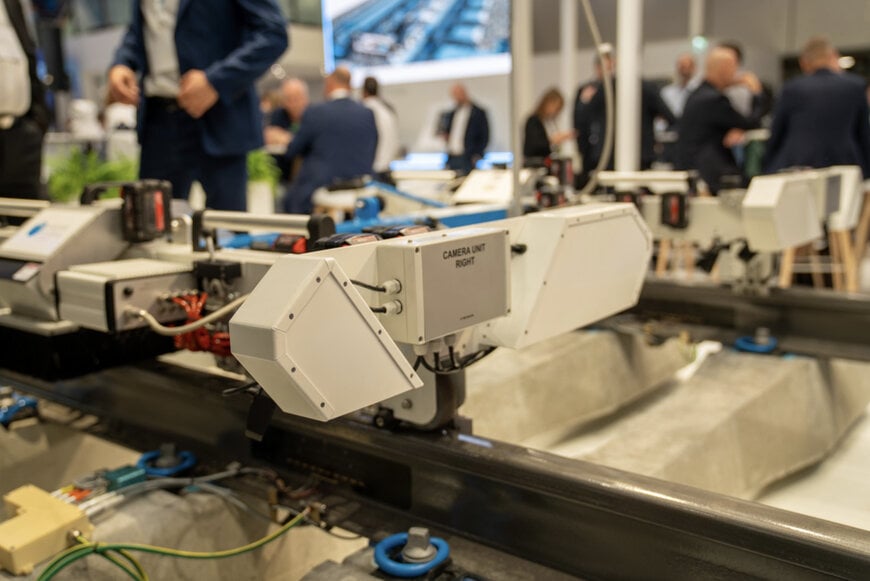
InnoTrans 2026 took place from September 22 to 25, 2026, at the Messe Berlin exhibition grounds in Berlin, Germany. voestalpine Railway Systems showcased integrated railway infrastructure solutions, diagnostic applications, and turnout technologies designed for mixed traffic, high-speed, and urban rail networks.
Core Technology and System Architecture
The exhibition highlighted advanced engineering systems aimed at extending asset lifecycles across complex rail networks. Among the core technical displays were the PITSTOP and IMPACT crossing solutions, engineered to lower lifecycle costs and minimize mechanical wear under heavy operating loads. Furthermore, the introduction of the New Urban Track superstructure demonstrated how optimized load distribution reduces rail wear in tram and urban rail networks. The integrated track panel exhibit combined rails, sleepers, and fastening systems with high-precision measurement trolleys to verify track geometry parameters and ensure structural stability.
Digital Integration and Diagnostics
Digital applications were centered around the zentrak asset management ecosystem, which provides diagnostic, monitoring, and maintenance functions for both infrastructure and rolling stock. Intelligent switch machines and instrumented sleeper solutions leverage embedded sensors to deliver real-time visibility into operational conditions, shifting maintenance strategies from reactive schedules to condition-based interventions. Additionally, signaling integrations utilized standardized and open architectures compliant with EULYNX standards to facilitate interoperability and reduce integration complexity across diverse rail environments.
Deployment and Industry Applications
The deployment of these technologies addresses critical operational challenges in heavy-haul freight and high-speed passenger lines, where track availability directly governs network capacity. System architecture focuses on modular expansion, allowing infrastructure managers to integrate diagnostic sensors into existing mechanical superstructures without extensive civil engineering modifications.
Operational Impact and Performance Metrics
During the event sessions, Günter Neureiter, CEO of voestalpine Railway Systems, addressed infrastructure scalability alongside industry executives including Dr. Thomas Hempe from Verkehrsgesellschaft Frankfurt am Main, Andreas Matthä from ÖBB, and Dr. Tobias Fischer from DB InfraGO, focusing on the integration of digital diagnostics to optimize track maintenance routines and lower operational expenditures.
Edited by Sucithra Mani, Induportals editor – adapted by AI
www.voestalpine.com
