
railway-international.com
04
'26
Written on Modified on
Seibu Railway Modernizes Series 20000 Trains with Hitachi
The 144-car fleet will return to its original manufacturing site for comprehensive equipment and interior upgrades.
www.hitachirail.com
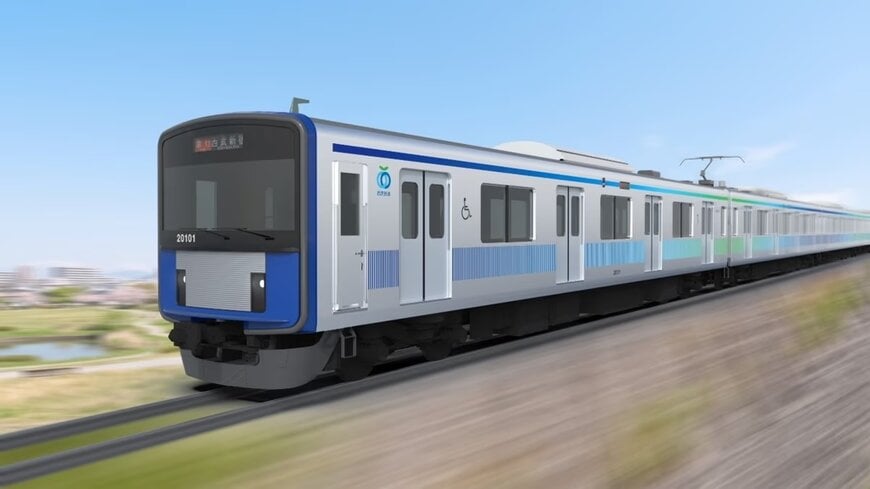
Seibu Railway and Hitachi Rail have announced a major modernization program for 144 Seibu Series 20000 train cars. Scheduled to re-enter service sequentially starting in 2028, the fleet will return to Hitachi’s Kasado Works in Yamaguchi Prefecture—the exact facility where the trains were originally manufactured in 2000. This marks the first time Kasado Works will host a return-to-site modernization project for its own rolling stock. By conducting the work at the original production site, the companies aim to leverage existing design and manufacturing expertise to shorten construction timelines and ensure high-quality execution.
The Series 20000 fleet, originally designed around an "environmentally and people-friendly" concept, will receive significant functional and aesthetic upgrades. While durable structural components and items like luggage racks will be retained to minimize waste, passenger-facing elements such as seating and flooring will be completely replaced. The modernization will also introduce dedicated free spaces in every car to accommodate diverse passenger mobility needs, aligning with Seibu Railway's ongoing commitment to safety, accessibility, and sustainable lifecycle value.
Additional Context
This section provides technological and market background not explicitly detailed in the original release.
The mid-life modernization of rolling stock is a critical strategy for railway operators facing the dual pressures of capital expenditure constraints and strict environmental targets. Rather than scrapping 20-to-25-year-old trains, a comprehensive overhaul of internal equipment can effectively extend a fleet's operational lifecycle by another 15 to 20 years. Performing this work directly at the OEM’s (Original Equipment Manufacturer) fabrication site offers distinct industrial advantages; Hitachi possesses the exact engineering schematics, structural data, and supply chain ecosystem utilized during the initial build. This OEM-led refurbishment ensures the seamless integration of modern subsystems into legacy car bodies, while drastically reducing the embodied carbon emissions that would otherwise be generated by manufacturing entirely new train sets from raw aluminum or steel.
Edited by Lekshman Ramdas, Induportals editor – adapted by AI.
www.hitachirail.com
