
railway-international.com
03
'26
Written on Modified on
HBK Launches Fibre-Optic ARGOS NewLight Railway Monitoring System at InnoTrans 2026
FBG sensor technology enables predictive maintenance, reduces false alarms and installation disruptions, while extending wheel life through high-precision track monitoring.
www.hbkworld.com
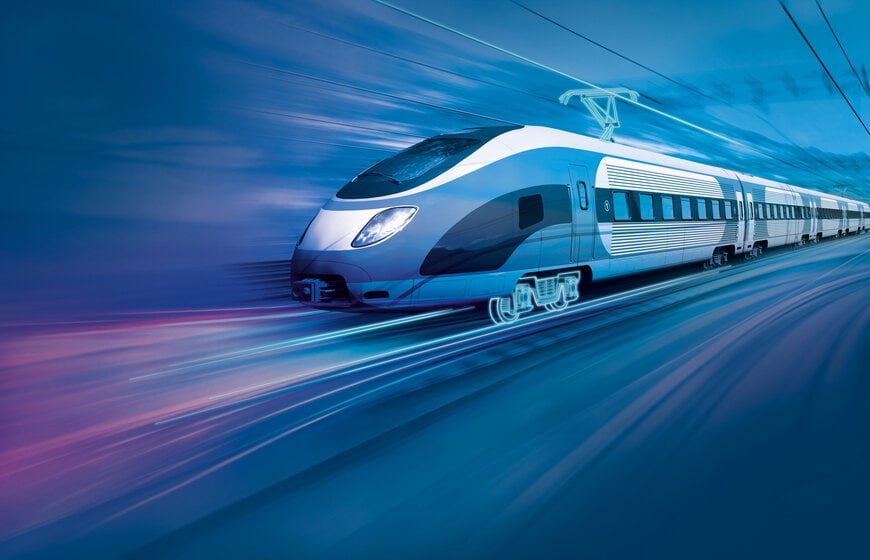
Hottinger Brüel & Kjær (HBK) has launched the ARGOS NewLight fibre-optic sensor layer to modernize wayside train monitoring. This solution integrates Fibre Bragg Grating optical technology with existing analytics platforms to support predictive maintenance across global railway infrastructure networks.
Transition to Predictive Maintenance
The system addresses the necessity for railway infrastructure managers to transition from reactive to predictive maintenance amid increasing traffic volumes and aging networks.
Fibre Bragg Grating Sensor Architecture
Older technologies often rely on glued strain gauges or require complete sleeper replacements. The optical sensor layer utilizes Fibre Bragg Grating (FBG) technology, which operates without electricity. This design ensures complete electromagnetic compatibility (EMC) immunity, preventing false alarms and eliminating the need for surge protection hardware by protecting the system against traction currents, lightning strikes, and electromagnetic interference (EMI).
Deployment and Optical Range
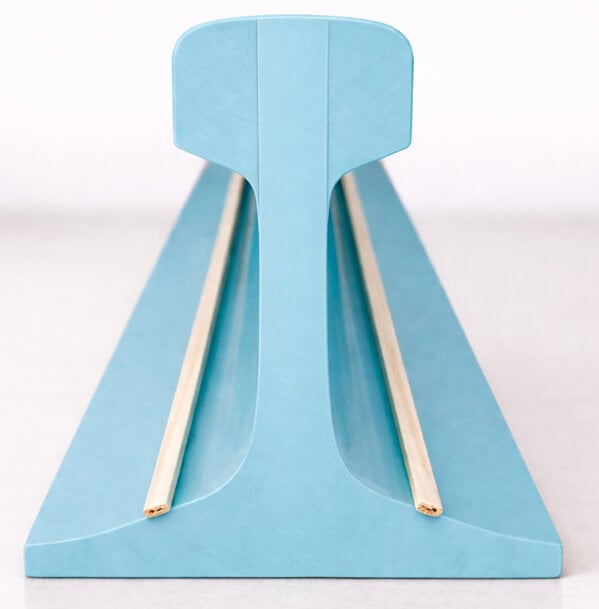
The sensors are bonded directly to the existing rail web, either in flat or contoured configurations. By eliminating the need for rail welding or track replacement, the installation process bypasses track possession requirements and reduces setup time. The system architecture supports optical transmission distances of up to one kilometer between the trackside sensors and equipment cabinets, facilitating flexible deployment along rail networks.
Certified Applications and Data Analytics
The sensor layer integrates with established software backends without requiring operator retraining. Certified applications include Weigh-in-Motion (WIM), Wheel Impact Load Detection (WILD), Out-of-Roundness (OOR) monitoring, and Running Behaviour Measurement (RBM). When combined with artificial intelligence diagnostics, the system converts physical strain measurements into predictive insights. In operational use cases, this data utilization has extended wheel lifespans by over 50 percent, increasing wheel mileage from approximately 1 million to 1.5 million kilometers while minimizing unexpected service disruptions.
Additional Context:
This section details technical specifications and competitive benchmarking not included in the original product announcement
Within the railway condition monitoring sector, the ARGOS NewLight system competes with other optical sensing architectures, such as the FBG Wheel Impact Load Detection systems developed by L2MRail, as well as traditional inductive wheel sensors from manufacturers like Frauscher Sensortechnik. Competitive benchmarking for wayside monitoring relies on objective metrics, including the maximum operational train speed for accurate data capture, the optical interrogation sampling rate, and the multiplexing capacity, which determines the number of individual FBG sensors that can be arrayed along a single optical fiber strand. While traditional inductive or strain-gauge technologies require local electrical power and remain susceptible to EMI from traction currents, FBG-based systems isolate the measurement zone optically, ensuring continuous data integrity without requiring additional surge protection hardware.
Edited by Natania Lyngdoh, Induportals editor, assisted by AI.
www.hbkworld.com
