
railway-international.com
15
'25
Written on Modified on
Hitachi Rail to Supply Digital Interlockings for SBB Network Upgrade
The program, valued at €1.5 billion, will replace most legacy interlockings in Switzerland, enabling digital cab signalling, predictive maintenance, and long-term modernisation of the national rail network.
www.hitachirail.com
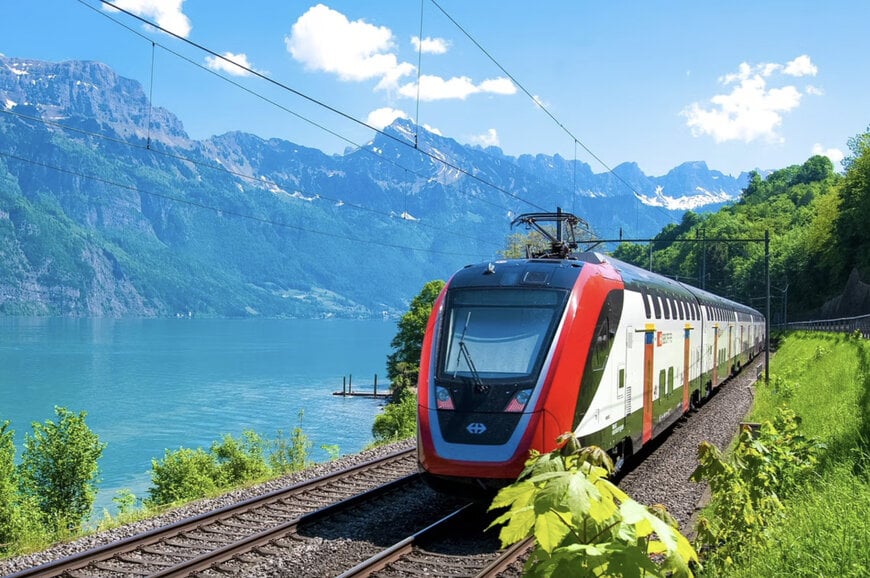
Framework agreement supports long-term modernization of Swiss rail signalling
Hitachi Rail has secured a framework contract with Swiss Federal Railways (SBB) to supply advanced digital signalling technology as part of a nationwide rail network digitalization program valued at approximately €1.5 billion. The agreement supports the gradual replacement of legacy signalling infrastructure over the next two decades.
The program is expected to see around 80 percent of existing interlocking systems across the Swiss rail network replaced, forming a core element of SBB’s long-term strategy to modernize operations, improve reliability, and prepare for future traffic growth.
Digital interlockings as the backbone of cab signalling
Interlocking systems play a critical safety role by preventing conflicting train movements on the same section of track. Under the framework agreement, Hitachi Rail will deliver its latest generation of digital interlockings together with Radio Block Centers, which are essential for the deployment of a nationwide driver’s cab signalling system.
Compared with conventional relay-based or early electronic interlockings, digital interlockings reduce the amount of trackside infrastructure required. This approach lowers maintenance demand, improves system availability, and contributes to better environmental performance by simplifying installations and reducing material use.

EULYNX-based object controllers enable predictive maintenance
A key technical element of the solution is the use of smart Object Controllers compliant with the EULYNX standard. These controllers manage and monitor field assets such as points, signals, and track sections, while also collecting operational and sensor data on their condition.
By continuously reporting asset status, the controllers enable data-driven maintenance strategies. This allows faults or degradation to be identified earlier, supporting predictive maintenance and reducing unplanned service disruptions across the network.
Long-term framework with extended support
The framework agreement has an initial duration of ten years, with options to extend it three additional times for five years each. In addition to system delivery, the contract includes up to 25 years of maintenance and support services for the installed signalling equipment.
SBB estimates the total investment associated with the digitalization program at around €1.5 billion, reflecting the scale and duration of the network-wide upgrade.
Supporting efficiency and sustainability goals
By introducing digital interlockings and standardized object controllers, the program aims to improve operational efficiency while strengthening the resilience and sustainability of Switzerland’s rail infrastructure. The framework contract positions digital signalling as a foundational technology for future automation and capacity enhancements across the network.
www.hitachirail.com
