
railway-international.com
25
'26
Written on Modified on
AI-powered machine vision advances track inspection
Union Pacific is enhancing rail safety and maintenance operations with AI-powered machine vision technology that analyzes track conditions in real time to enable more proactive and precise infrastructure management.
www.up.com
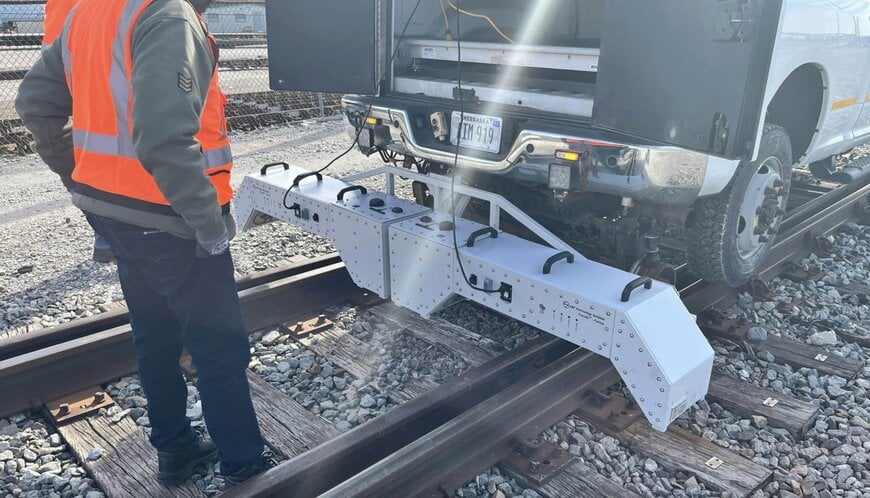
Union Pacific has expanded its network modernization operations through the deployment of artificial intelligence-powered machine vision tools to evaluate transcontinental track infrastructure.
The technical solution involves integrating high-resolution sensor arrays, optical cameras, and automated diagnostic software to process large-scale track geometry telemetry. This system addresses the requirement for structural risk mitigation and proactive asset management within the global digital supply chain.
Predictive Remote Diagnostics in the Digital Supply Chain
The relevance of this analytics technology stems from the transit sector's mandatory shift away from traditional, periodic manual inspections toward predictive, data-driven maintenance workflows. By processing continuous spatial data, the platform converts raw geometric measurements into real-time asset health indicators, preventing subgrade failures and track misalignments before service disruptions occur. Shifting to an automated tracking architecture secures the digital supply chain of transcontinental freight by ensuring high network availability and preventing unplanned route closures. This serialized telemetry network mirrors the open data-sharing layers managed within a modern automotive data ecosystem.
Hardware Interoperability and Geometry Measurement Standards
The track inspection platform combines distributed hardware-agnostic sensors and digital cameras installed on specialized geometry testing fleets to measure physical rail tolerances under dynamic loads. The multi-dimensional monitoring systems evaluate four core structural track criteria to determine real-world corridor wear.
During large-scale operational validation cycles, these vehicle-mounted geometry systems inspected over 644,000 miles of active track. The testing loops captured more than 100 billion individual spatial measurements, generating a comprehensive, high-fidelity digital twin of the physical rail network.
Algorithmic Trend Analysis and Field Asset Visibility
The core software layer leverages trained deep learning models to process the vast volumes of geometric big data, identifying microscopic degradation trends that remain invisible to human inspectors. The analytical engine links raw spatial telemetry with precise GPS coordinates, allowing field crews to pinpoint structural variations instantly and isolate root engineering causes rather than simply addressing surface symptoms. This interactive system enables management teams to predict where track conditions will demand intervention months in advance, allowing for strategic repair scheduling. Based on automated data trends, inspectors can choose optimal remediation paths, issue targeted slow-order speed restrictions, or take specific track assets out of service to ensure absolute operational safety.
Additional Context
This section details technical specifications and competitive benchmarking not included in the original product announcement.
In comparison to traditional trackside wayside detectors—such as Hot Bearing Detectors, Wheel Impact Load Detectors, or conventional ultrasonic testing vehicles—the integration of mobile machine vision and automated track geometry inspection vehicles (ATGMS) delivers continuous, uninterrupted structural mapping rather than point-in-time measurements. While wayside trackside portals effectively scan moving railcar wheel sets for anomalies near major rail yards, they do not assess the structural state of the underlying ties, ballast, or subgrade foundation along thousands of miles of rural corridors.
Technical benchmarks indicate that conventional manual inspection methods introduce human subjectivity and limit coverage rates due to track access constraints. In contrast, autonomous vehicle-mounted machine vision systems operate at standard timetable freight speeds up to 70 miles per hour without requiring dedicated track windows, reducing diagnostic latency to real-time parameters. Shifting from manual data entry and reactive patching to data-driven, automated track geometry monitoring (ATGM) reduces geometry-related derailment risks by up to 30%. Furthermore, by replacing legacy static reporting methods with centralized cloud analytics, potential administrative processing bottlenecks are reduced by approximately 15%, providing a highly scalable and repeatable standard for national freight rail grid modernization.
Edited by Romila DSilva, Induportals Editor, with AI assistance.
www.up.com
