
From the Last Storm to Planning for the Next: A Proactive Approach to Cable Network Resilienc
January’s heavy snowfall across parts of Scotland brought the age-old winter challenges for rail and power infrastructure teams.
www.viperinnovations.com
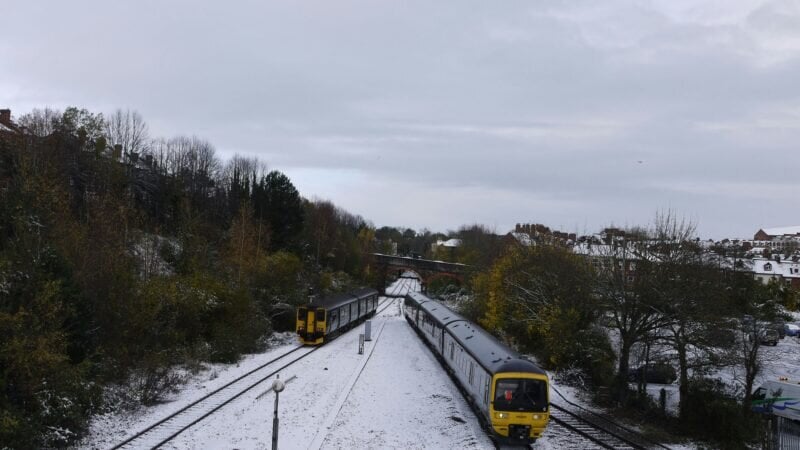
But if recent weather patterns tell us anything, it’s that the real test isn’t just the snow itself — it’s what comes after.
Extreme weather events are becoming more frequent and less predictable, and infrastructure owners can no longer rely solely on reacting to failures once they happen. To build true resilience, it’s essential to anticipate the next storm — and the next winter — before they arrive.
This means that even if total snowfall decreases over the coming decades due to a warming climate, the aftermath of snow melt — similar to heavy rain — can still introduce large volumes of water into vulnerable parts of power and rail infrastructure.
What’s Changing in the UK Climate?
The UK’s climate is already shifting in noticeable ways.
According to the UK Met Office, winters — especially the October-to-March period — are becoming wetter. Between 2015 and 2024, the UK’s winter half-year was about 16% wetter than it was between 1961–1990 — the longest historical climate record — making surface water and flooding risks more severe for infrastructure. (Met Office)
In addition, average annual rainfall and the number of days with heavy rainfall have increased, and extreme rainfall events that might previously have occurred far less frequently are now much more common. (Met Office)

This means that even if total snowfall decreases over the coming decades due to a warming climate, the aftermath of snow melt — similar to heavy rain — can still introduce large volumes of water into vulnerable parts of power and rail infrastructure.
Why Melting Snow Is a Hidden Infrastructure Risk
Water isn’t just a surface threat. It travels downward.
During periods of snowmelt or rain, surface water can seep into:
. Cable troughs where power lines run
. Cable joints at low points
. Under Track Crossings (UTXs) with poor drainage
Once inside, the water can compromise insulation, introduce leakage currents, and accelerate faults — often without immediate warning — leading to damage that only becomes visible when a service disruption occurs.
In this sense, melting snow can have the same impact as prolonged rainfall, creating hidden risks on live power networks that standard reactive maintenance is unlikely to catch early enough.
© Viper Innovations
The Limitations of Reactive Maintenance
Traditional fault management often depends on inspections after extreme weather, repairing faults once they are already affecting operations, and reactive maintenance based on historic data.
With weather becoming more volatile, this approach starts to fail for two reasons:
1. Access challenges: Snow, surface water, and floods can restrict physical access for inspections.
2. Delayed detection: By the time a fault is noticed, damage and operational impact may already have occurred.
As extreme events cluster, infrastructure owners increasingly need visibility on assets before failures occur, not just after.
A Broader Climate Resilience Strategy
Rail infrastructure bodies are recognising this shift. In its ongoing Weather Resilience and Climate Change Adaptation Strategy (WRCCA), Network Rail has framed the need to understand and manage climate-related risk as business as usual rather than an occasional challenge. (Network Rail)
The strategy — first introduced in 2017 and continually developed — encourages regions to assess long-term weather risks and plan interventions that improve resilience over the years ahead. (Network Rail)
This model aligns with wider UK transport adaptation policy, which expects infrastructure operators to build weather resilience into planning and investment decisions, reflecting the reality of a changing climate. (GOV.UK)
Shifting from Reactive to Proactive Monitoring
Proactive monitoring technology gives infrastructure teams the visibility they need to anticipate faults before they escalate into service-impacting issues.
By continuously tracking conditions on live power networks, proactive systems can:
. Detect early signs of emerging faults due to water ingress
. Pinpoint the location of developing trouble spots
. Deliver insight during adverse weather, not just once it passes
This enables targeted maintenance, timely intervention, and better planning for predicted weather conditions — turning what used to be reactive firefighting into strategic risk management.
Why Resilience Matters for Passengers and Freight
Extreme weather isn’t just a technical challenge — it impacts passengers, freight, and the economy. Even a relatively small snowfall can disrupt services, delaying journeys and halting freight movements. While it’s often joked that the UK “grinds to a halt at the slightest snow,” increasingly unpredictable weather events make these risks far more serious than ever.
Keeping trains running reliably, even in snow, rain, or flooding, is a critical measure of network resilience. As Network Rail moves into Control Period 7 (CP7), performance targets for 2026 and beyond are being reset to focus on operational reliability including 92.5% punctuality (“Time to 3”) and ~91.1% service availability, alongside broader goals like decarbonization, enhanced freight capacity, and operational efficiency.
These targets, monitored by the Office of Rail and Road (ORR) and aligned with Great British Railways (GBR) frameworks, highlight the critical importance of reducing cancellations and delays — particularly during extreme weather events.
Proactive monitoring and early detection of faults on live power networks play a crucial role in achieving these goals. By identifying potential problems before they impact service, teams can intervene early, keep trains running, protect freight schedules, and maintain passenger confidence.
Thinking Ahead to the Next Storm
It’s clear that extreme weather is no longer the exception. It’s becoming a key planning assumption.
Whether the next storm brings melting snow, heavy rain, or flooding, the risk to cable infrastructure is real — and it’s growing in line with climate trends we can measure and model.
Resilience isn’t built during extreme weather.
It’s built before it arrives.
www.viperinnovations.com.
