
railway-international.com
06
'26
Written on Modified on
Energy-Efficient Rail Networks
How electrification, hybrid powertrains and regenerative braking are transforming modern transit.
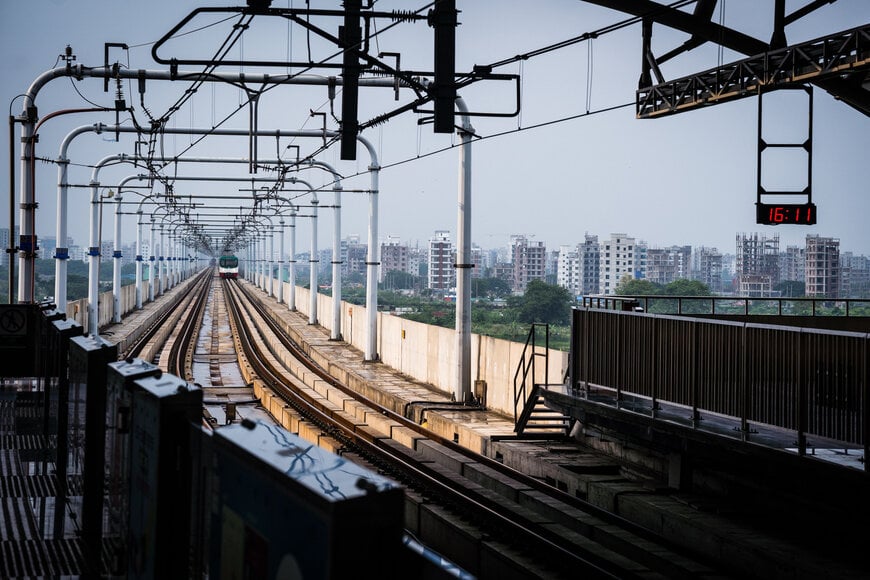
Railways have long been recognised as the most energy-efficient form of mass land transportation. From the age of steam to diesel traction and today's electrified networks increasingly powered by renewable energy, the sector has consistently reduced its environmental footprint while moving large volumes of passengers and freight with remarkable efficiency. Yet, in an era defined by climate change, rising energy costs and rapid urbanisation, their importance extends far beyond moving people and freight.
Three developments in particular are reshaping the future of rail transport: through electrification, hybrid propulsion systems and regenerative braking. Together with increasing use of renewable energy, modern rail networks are emerging as a cornerstone of sustainable mobility, offering a pathway to lower emissions and greater energy efficiency without compromising capacity or reliability.
The strategic importance of rail electrification
Electrification plays a major role in energy-efficient railway systems. Electric traction systems that have replaced diesel-powered locomotives have far superior acceleration for better capacity, lower ongoing maintenance and fuel costs, and zero local emissions. Rail operators can thus dramatically reduce fuel consumption, greenhouse gas emissions, and maintenance requirements.
When it comes to energy-efficiency, in comparison with diesel-powered locomotives, electric traction systems are highly energy efficient. While diesel engines typically achieve efficiencies of just around 30-40 percent, modern electric traction systems can exceed 85 percent efficiency – a difference that translates into substantial energy savings across large rail networks. This, at a much lower carbon footprint if the electricity used is from renewable sources.
As a result, many countries are accelerating electrification initiatives as part of broader decarbonisation strategies. Electrified railways provide the opportunity to integrate renewable energy sources such as solar, wind, and hydroelectric power into transportation infrastructure. As national power grids become greener, the environmental benefits of electrified rail networks continue to increase.
India, for example, with one of the world's largest railway systems, has undertaken an extensive electrification programme aimed at reducing dependence on imported fossil fuels and lowering carbon emissions. With a stated goal of becoming a Net Zero Carbon Emitter by 2030, India has already electrified roughly 99.6% of its broad-gauge network. Similar initiatives are underway across Europe, China, and other regions where governments recognise rail transport as a critical component of sustainable mobility.
Beyond environmental benefits, electrification offers significant operational advantages. Electric locomotives generally provide faster acceleration, higher hauling capacity, lower maintenance costs, and improved reliability. These characteristics increase network capacity while reducing lifecycle operating expenses.
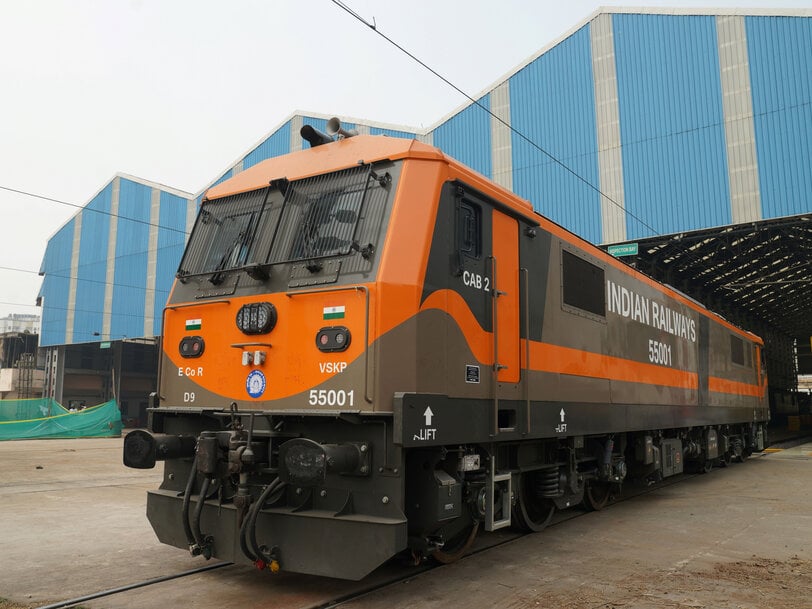
The latest D9 electric locomotives of 9000 HP from Siemens for Indian Railways. Photo credit: Siemens.
Towards a sustainable rail infrastructure
One of the major impediments in electrification of railways globally is the high initial investments required. Rail electrification extends beyond simply replacing locomotives. It requires substantial investments in overhead catenary systems, substations, grid connectivity, power management systems, and advanced monitoring technologies.
Modern electrification projects increasingly incorporate digital technologies that optimise energy distribution and consumption. These require high-voltage, energy-efficient infrastructure. Core elements include traction substations, overhead catenary systems (typically 25 kV AC), and smart grid integration. It demands advanced signalling upgrades to prevent electromagnetic interference and robust, scalable maintenance facilities to ensure seamless, eco-friendly long-distance and high-speed operations. Smart substations, real-time energy management platforms, and predictive maintenance systems help operators maximise efficiency while ensuring reliable service.
The integration of renewable energy generation directly into railway infrastructure is also gaining momentum. Solar installations along railway corridors, station rooftops, maintenance depots, and unused railway land can contribute significant amounts of clean electricity to rail operations. To cite the example of India again, solar power capacity across the network has surged to nearly 900 MW, outfitting over 2,600 stations to power facilities and operations. Similarly, renewable energy transforms China's heavily electrified rail network (which powers over 70% of non-urban rail) by decarbonising its power source. Instead of relying on coal-heavy grids, China integrates trackside solar and wind farms directly into railway power systems, lowering both carbon emissions and grid transmission losses.
Energy storage systems are becoming another important element of modern rail infrastructure. Battery-based storage solutions can capture surplus renewable energy and provide power during peak demand periods, improving overall system efficiency and resilience.
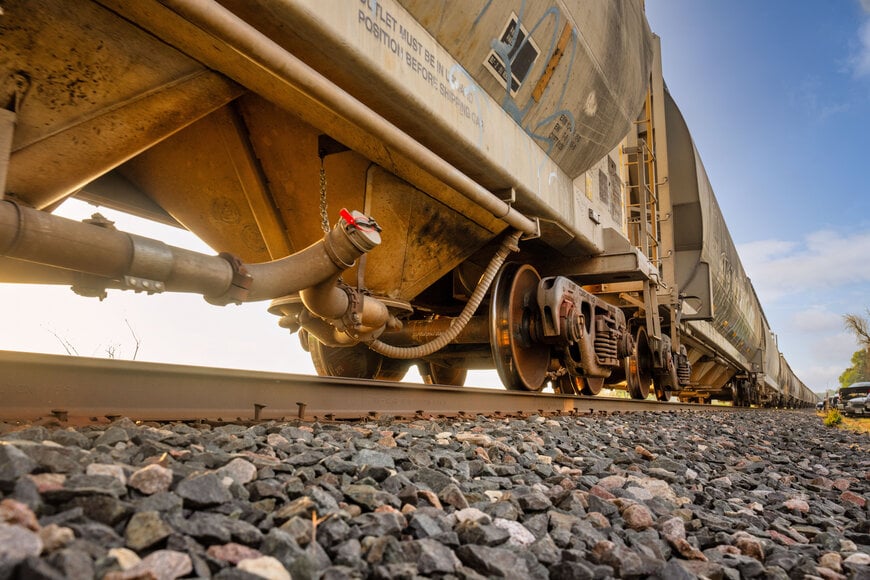
Railways move large volumes of passengers and freight with remarkable efficiency. Image by Tom Fisk on Pexels
Bridging the gap with hybrid powertrains
While electrification is the ultimate goal for many rail operators, fully electrifying every route is not always economically practical. Remote freight corridors, low-density routes, and geographically challenging regions often present significant infrastructure costs.
This is where hybrid powertrains are playing an increasingly important role.
Hybrid rail systems combine traditional diesel engines by combining overhead electric lines with on board batteries, electric motors, fuel cells, or other energy storage technologies. These configurations enable trains to operate more efficiently while reducing fuel consumption and emissions. This approach bypasses the need to modify expensive, complex infrastructure like bridges and tunnels, delivering major emissions reductions without requiring 100% continuous overhead wiring.
Battery-electric hybrid trains are among the most widely adopted solutions. These systems allow trains to operate on electrified sections using overhead power while switching to battery power on non-electrified segments. Such flexibility enables operators to extend the benefits of electrification without requiring continuous infrastructure upgrades across entire networks.
Hybrid locomotives can also optimise engine operation by running diesel engines at their most efficient load points while relying on batteries during acceleration or low-speed operations. This reduces fuel consumption, noise levels, and emissions.
For urban transit systems, hybrid technologies provide additional benefits. Trains operating in stations, tunnels, or densely populated areas can switch to battery operation, reducing local air pollution and improving passenger comfort.
Hydrogen and alternative energy solutions
The hybrid powertrain landscape is expanding beyond conventional battery systems. Hydrogen fuel cells and other alternatives offer effective power solutions that are critical to closing the gaps in global rail electrification. By converting trains to run on onboard hydrogen rather than diesel, railways eliminate direct carbon emissions and avoid the massive infrastructure costs of laying overhead wires on light traffic or remote routes.
Hydrogen-powered trains generate electricity onboard through electrochemical reactions, producing only water vapour as a by-product. When supplied with green hydrogen produced using renewable energy, these systems can achieve near-zero operational emissions.
Several railway operators are conducting pilot programmes and commercial deployments of hydrogen-powered trains. For example, Germany’s Alstom Coradia iLint is the world’s first commercially operated hydrogen train. China too has rapidly advanced in hydrogen rail transit, becoming the first in Asia to deploy hydrogen-powered urban trains. Developed by China Railway Rolling Stock Corporation (CRRC), these trains feature a built-in hydrogen power system and operate without overhead catenaries. They reach top speeds of 160 km/h with an impressive range of up to 1,000 km on a single tank, consuming an average of 5 kWh per kilometer. India too has successfully completed trials of its first indigenous hydrogen-powered trains on certain routes. These retrofitted trains utilise on-board 100 kW PEM fuel cells, which mix hydrogen with oxygen to generate power, emitting nothing but pure water vapour.
While challenges related to infrastructure development, hydrogen production, and cost remain, ongoing technological advances are improving the viability of fuel-cell rail systems.
In many cases, future rail networks may employ a combination of electrification, battery technologies, and hydrogen solutions depending on route characteristics, operational requirements, and economic considerations.
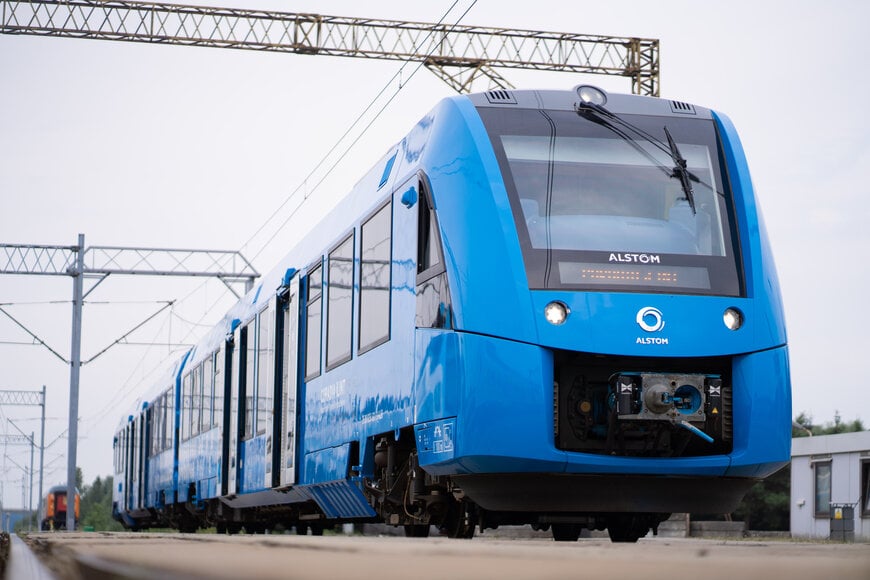
Germany’s Alstom Coradia iLint is the world’s first commercially operated hydrogen train. Photo credit: Alstom
Turning motion into energy with regenerative braking
One of the most transformative innovations in modern rail transportation is regenerative braking.
Traditional braking systems dissipate kinetic energy as heat whenever a train slows down. Regenerative braking is a crucial energy-recovery system used in electric trains and metros. When a train decelerates, its electric motors reverse function and act as generators. The train's forward momentum spins the motor, converting the kinetic energy into electricity, which reduces energy consumption by 20-40%. The electricity thus generated can be reused within the train, stored in onboard batteries, fed into trackside energy storage systems, or returned to the power grid. This capability significantly improves overall energy efficiency, by recovering energy that would otherwise be lost during deceleration.
The benefits are particularly pronounced in urban rail systems, metro networks, and commuter rail services where frequent stops create numerous opportunities for energy recovery. By allowing the electric motors to provide the primary stopping force, mechanical friction brakes experience significantly less wear and tear, lowering maintenance costs. It also extends equipment life, and improves operational reliability. In addition, by recycling wasted energy, transit systems reduce their overall carbon footprint and reliance on fossil-fuel power plants.
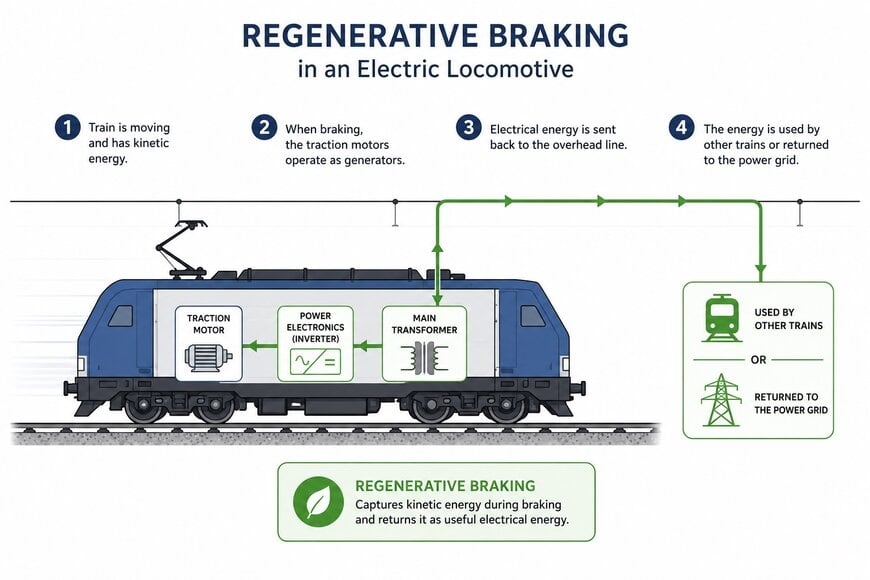
One of the most transformative innovations in modern rail transportation is regenerative braking. AI-generated image.
Smart energy management holds the key
The effectiveness of electrification, hybrid powertrains, and regenerative braking is increasingly enhanced by sophisticated energy management systems. Artificial intelligence, machine learning, and advanced analytics are helping railway operators optimise energy usage across entire networks.
Smart energy management platforms can monitor train operations in real time, identify inefficiencies, predict energy demand, and coordinate power distribution. These systems can also optimise acceleration profiles, schedule charging cycles for battery-powered trains, and maximise the utilisation of regenerated energy.
Digital twins are becoming valuable tools for simulating railway operations and evaluating energy-saving strategies before implementation. By creating virtual representations of rail assets and networks, operators can identify opportunities for further efficiency improvements.
Predictive maintenance technologies also contribute to energy efficiency by ensuring that traction systems, power infrastructure, and braking equipment operate at peak performance.
Economic benefits of energy-efficient rail systems
While sustainability often drives rail modernisation initiatives, the economic benefits are equally compelling. Energy costs represent a significant portion of railway operating expenses. Reducing energy consumption through electrification, regenerative braking, and hybrid technologies can generate substantial long-term savings.
Electric trains generally require less maintenance than diesel-powered equipment due to fewer moving parts and simpler mechanical systems. Reduced fuel consumption further strengthens the business case for modernisation investments.
Improved reliability and higher network capacity can increase passenger satisfaction and freight throughput, creating additional revenue opportunities. As governments introduce stricter emissions regulations and carbon pricing mechanisms, energy-efficient rail systems are also better positioned to avoid future compliance costs.
The road ahead
The transition toward energy-efficient rail networks is accelerating worldwide. Electrification projects continue to expand, hybrid powertrains are enabling cleaner operations on difficult-to-electrify routes, and regenerative braking systems are transforming how railways manage and recover energy.
The convergence of these technologies with renewable energy integration, energy storage systems, artificial intelligence, and digital infrastructure is creating a new generation of high-performance rail networks.
As cities grow, freight volumes increase, and sustainability goals become more demanding, rail transport will play an increasingly important role in reducing transportation-related emissions. The combination of electrification, hybrid propulsion, and energy recovery technologies offers a clear pathway toward cleaner, more efficient, and economically sustainable mobility.
The future of rail is not simply about moving people and goods more effectively – it is about creating transportation systems that consume less energy, generate fewer emissions, and contribute meaningfully to a low-carbon economy. Energy-efficient rail networks are proving that sustainability and operational excellence can move forward on the same track.
Article contributed by Milton D’Silva, a freelance technical writer, and former editor of Industrial Products Finder, India.
